Examination + documentation
Condition review, photography, treatment planning and a clear record of what is present before work begins.
 Kroeker Art
Start a project
Kroeker Art
Start a project
The goal is not to make history disappear. It’s to stabilize the work, recover visual clarity, and preserve what the artist actually made.

Sophie brings the eye of a practicing artist to technically disciplined conservation: close looking, sensitivity to surface and color, respect for original materials, and the patience to intervene only as much as the object needs.
“Protect the object. Respect the artist. Make every intervention intentional.”
Every treatment begins with the object itself. Materials, prior repairs, environment, age and intended use set the plan — not a one-size-fits-all recipe.
Condition review, photography, treatment planning and a clear record of what is present before work begins.
Careful reduction of grime, accretions and visually disruptive surface material using methods appropriate to the object.
Addressing tears, breaks, unstable surfaces, lifting media, weakened joins and other structural concerns.
Loss compensation and selective inpainting where appropriate — improving legibility without inventing history.
Assessment and treatment of framed or unframed two-dimensional works across drawing and painting media.
Object care for complex surfaces and material combinations, including large or site-specific work when feasible.
Real projects with their original type, date, location and treatment scope. Swipe the documentation; tap any image to enlarge.
A canvas treatment focused on restoring structural support and visually integrating widespread cracking while retaining the character of the original surface.
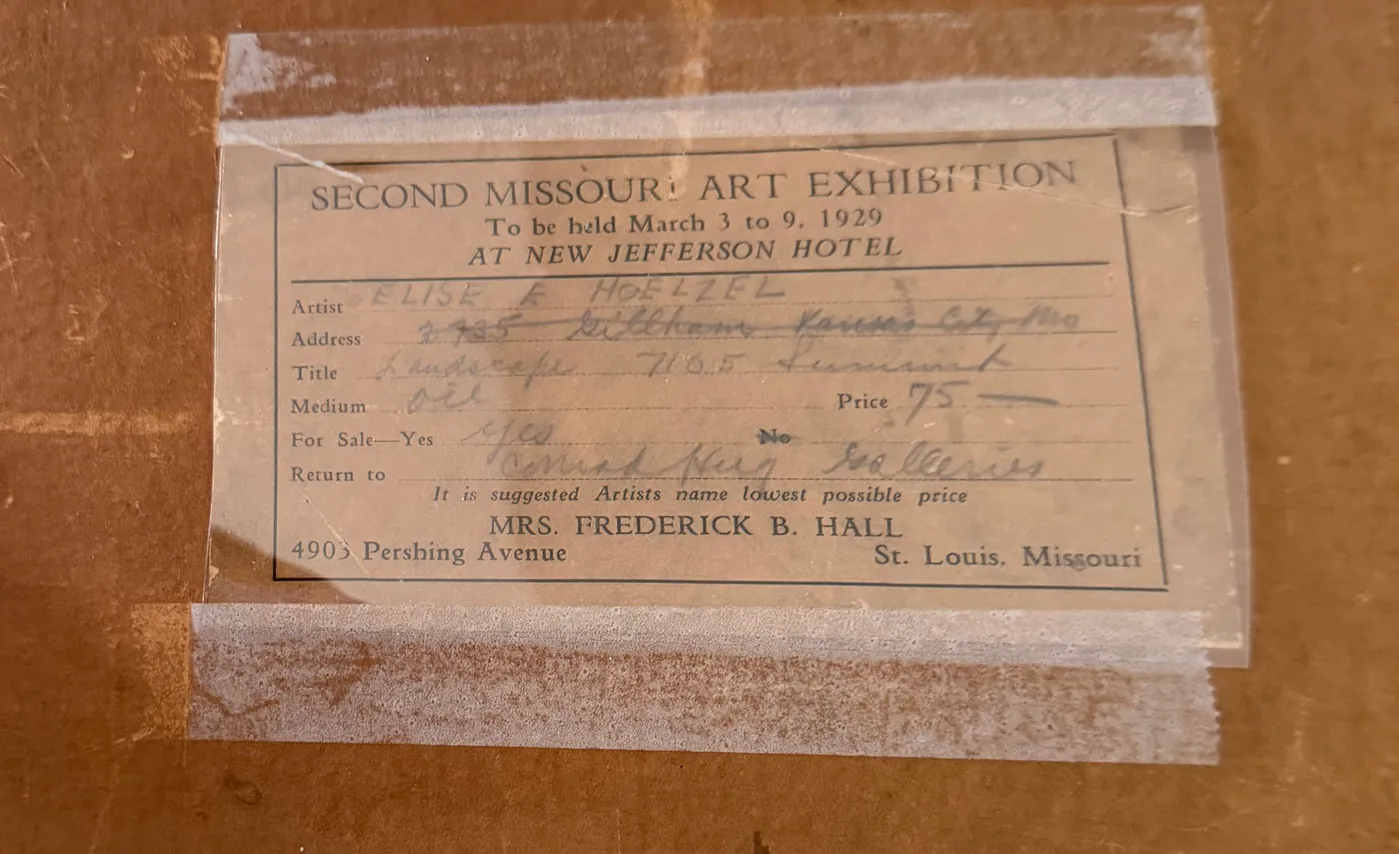
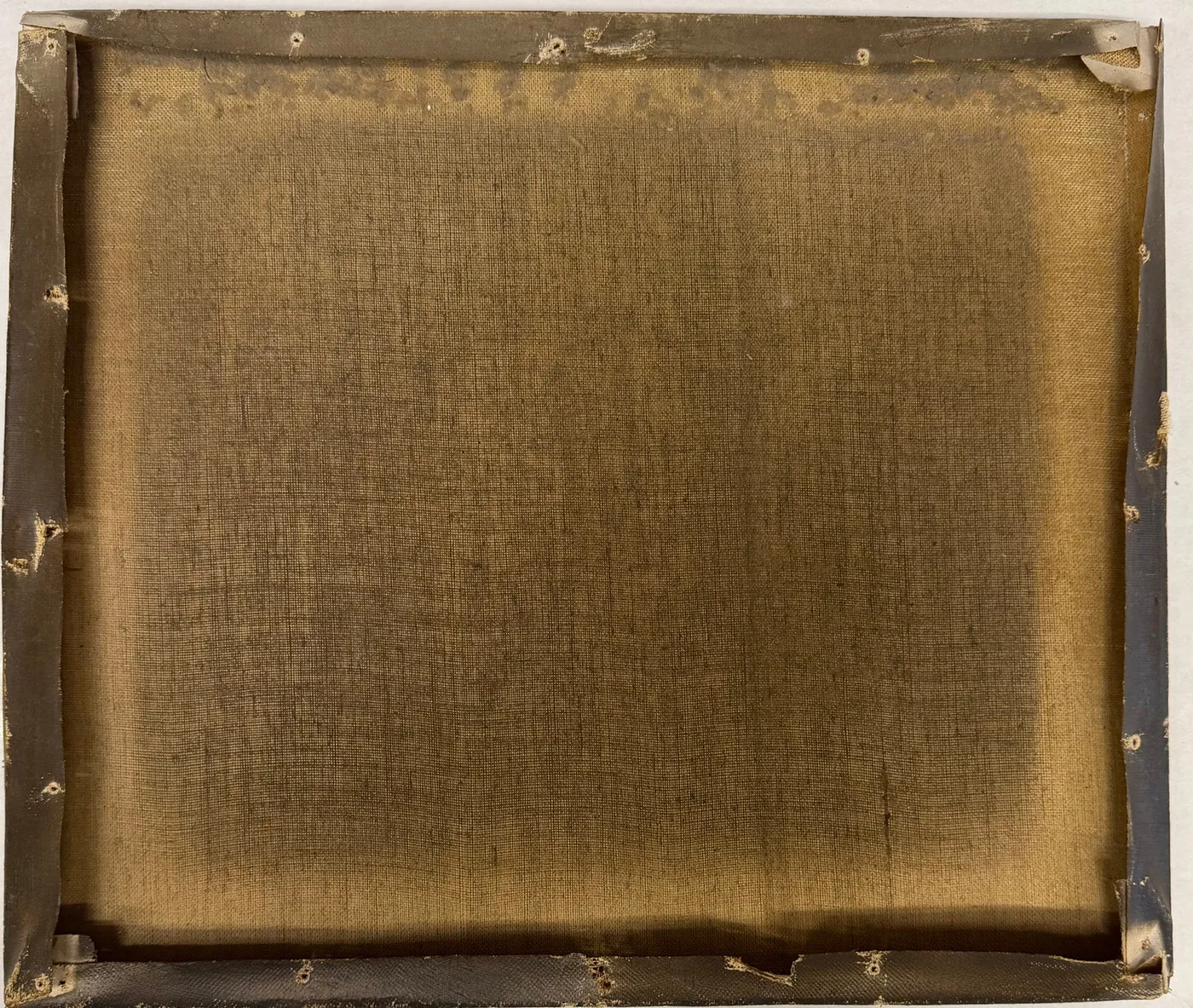
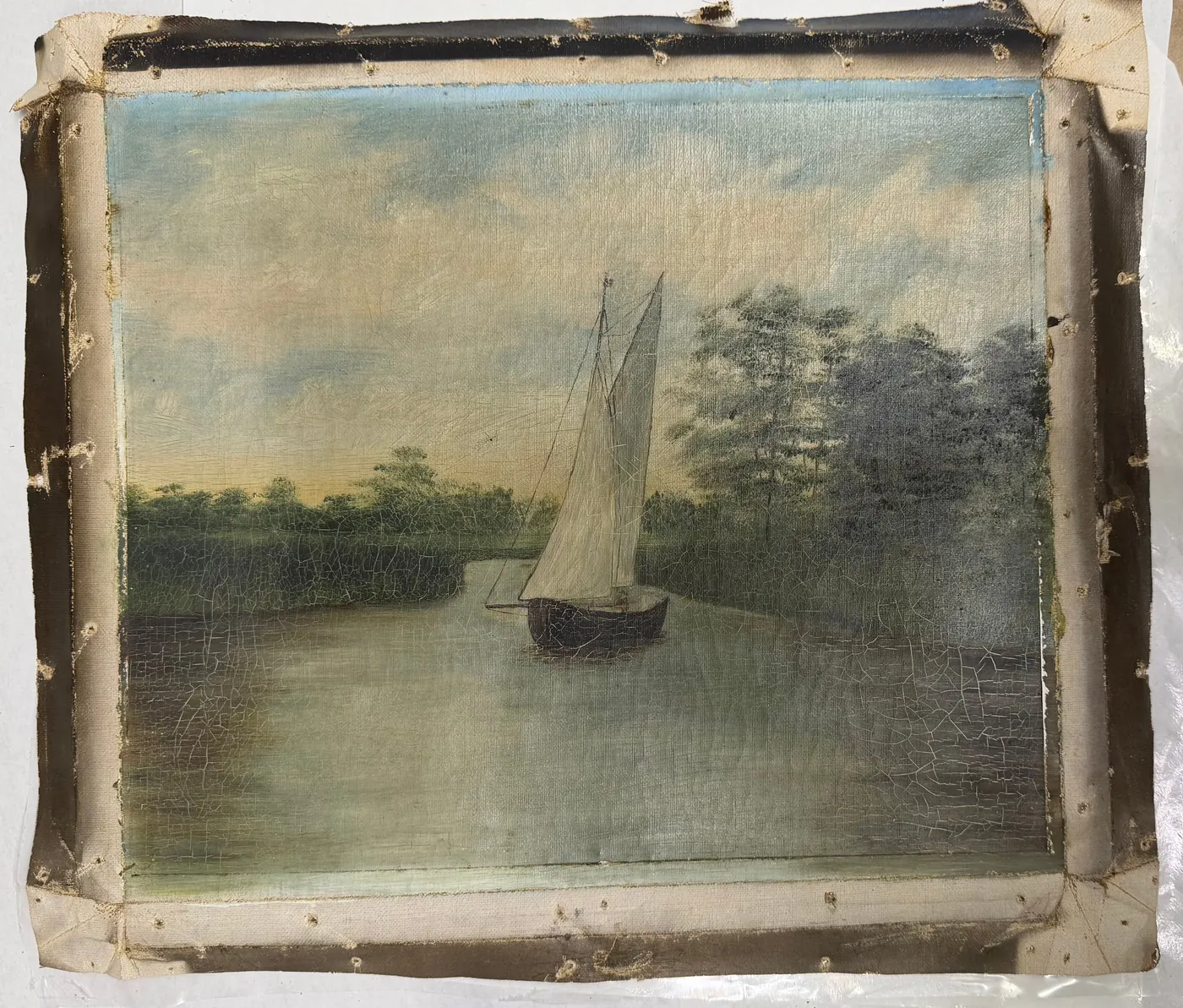
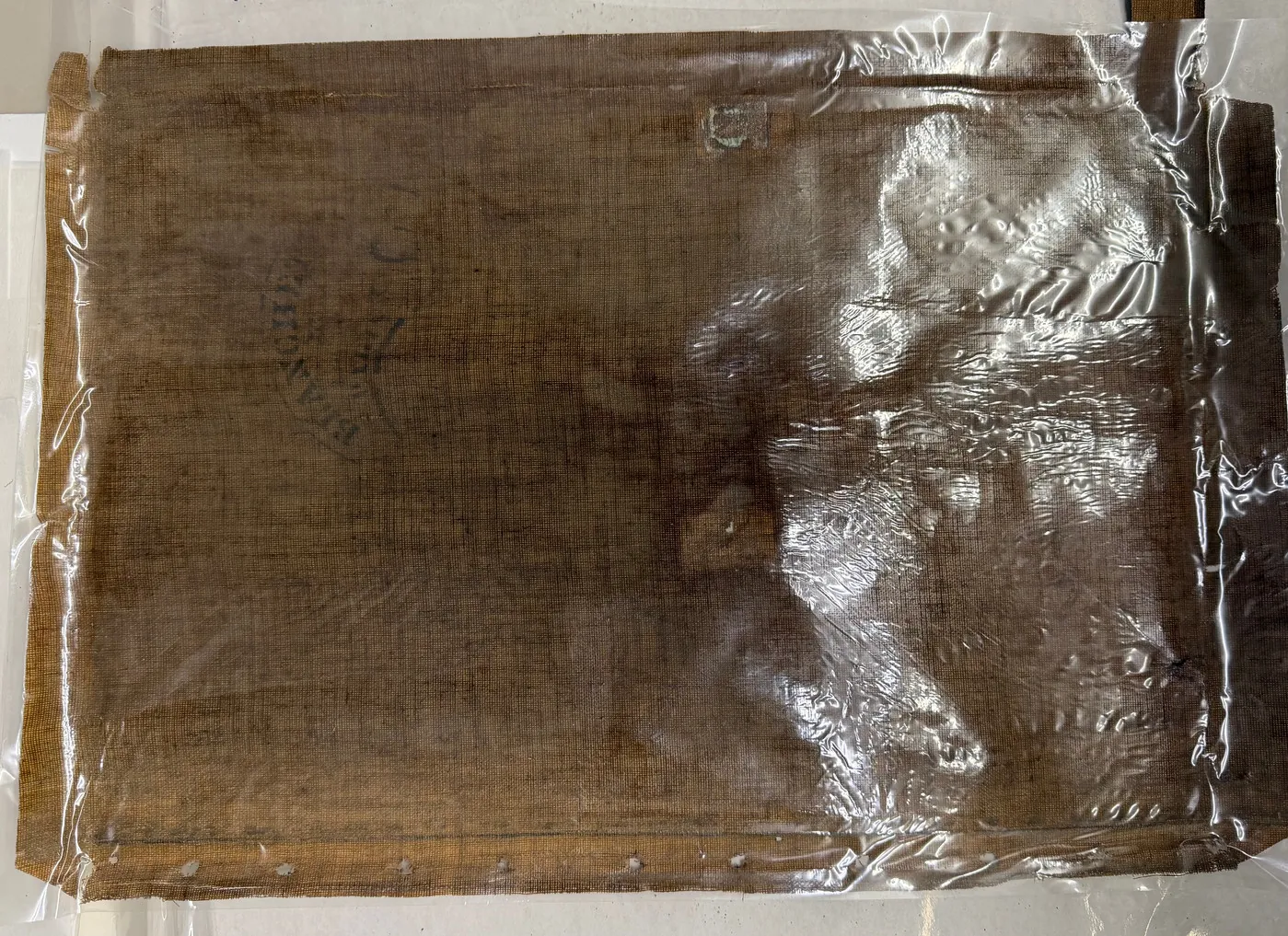
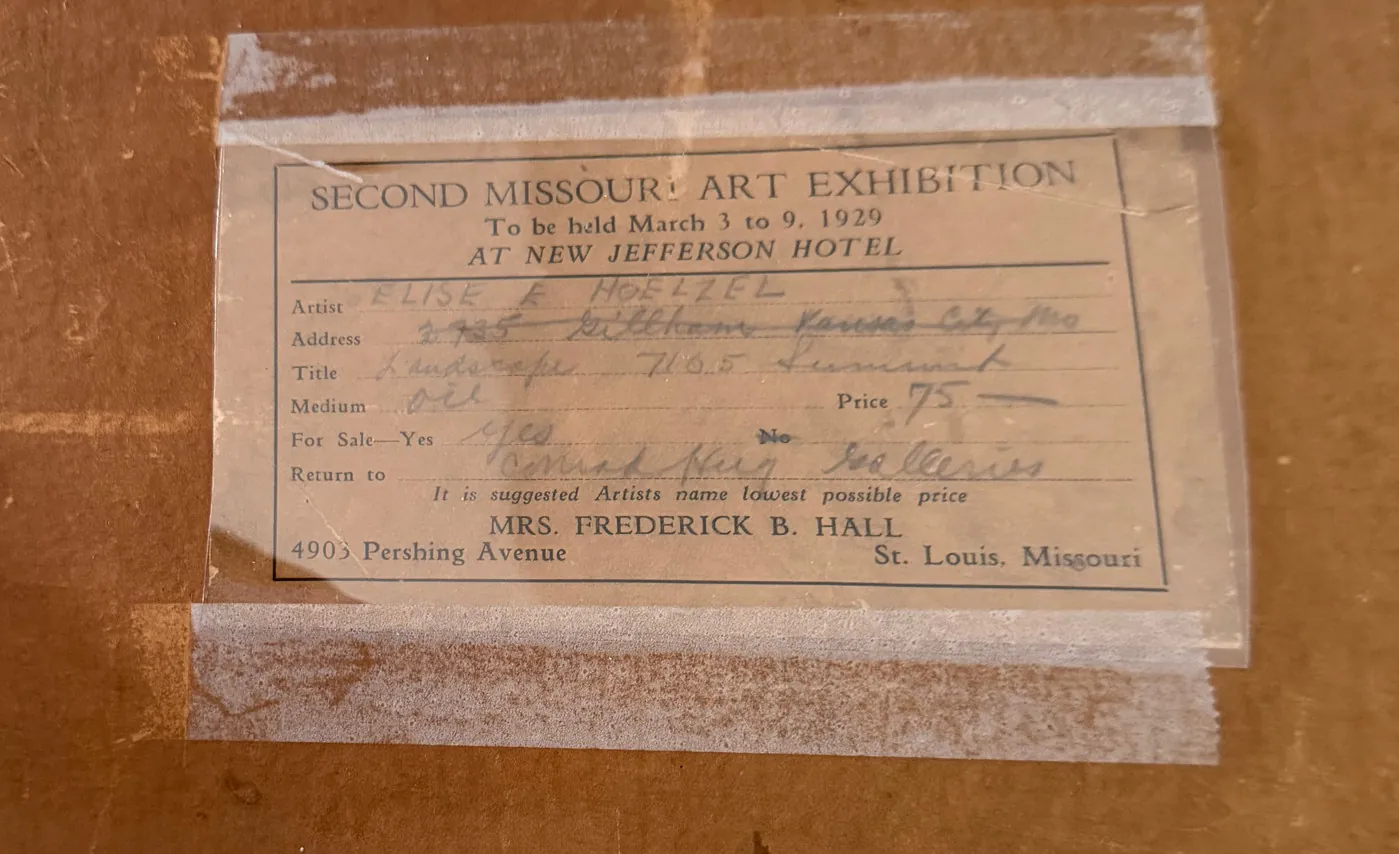
A multi-painting project requiring work from both the reverse and the painted surface. Plaster was removed from the backs, the canvas backing rebuilt, losses and cracks addressed, and the surfaces protected for continued display.

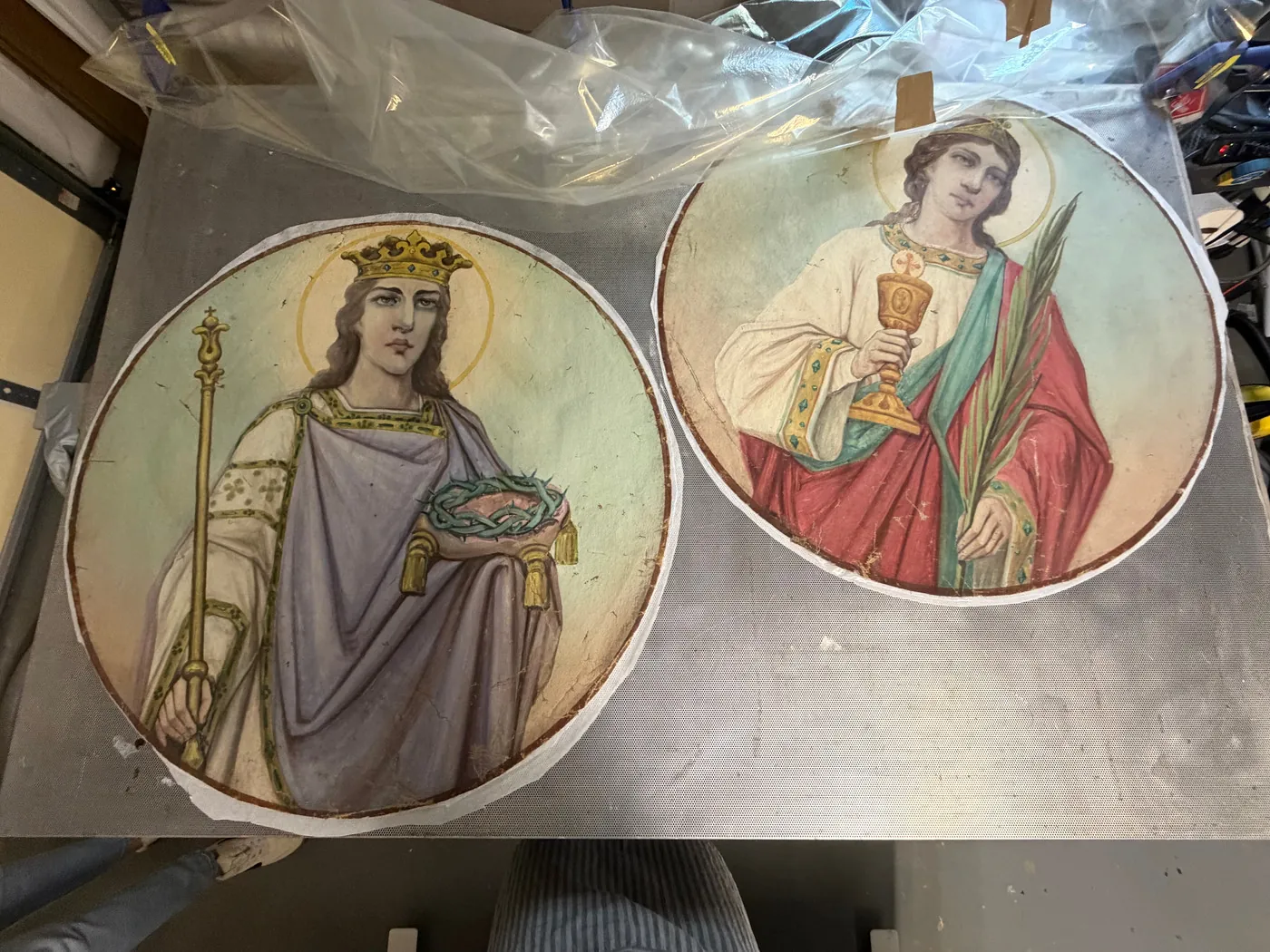
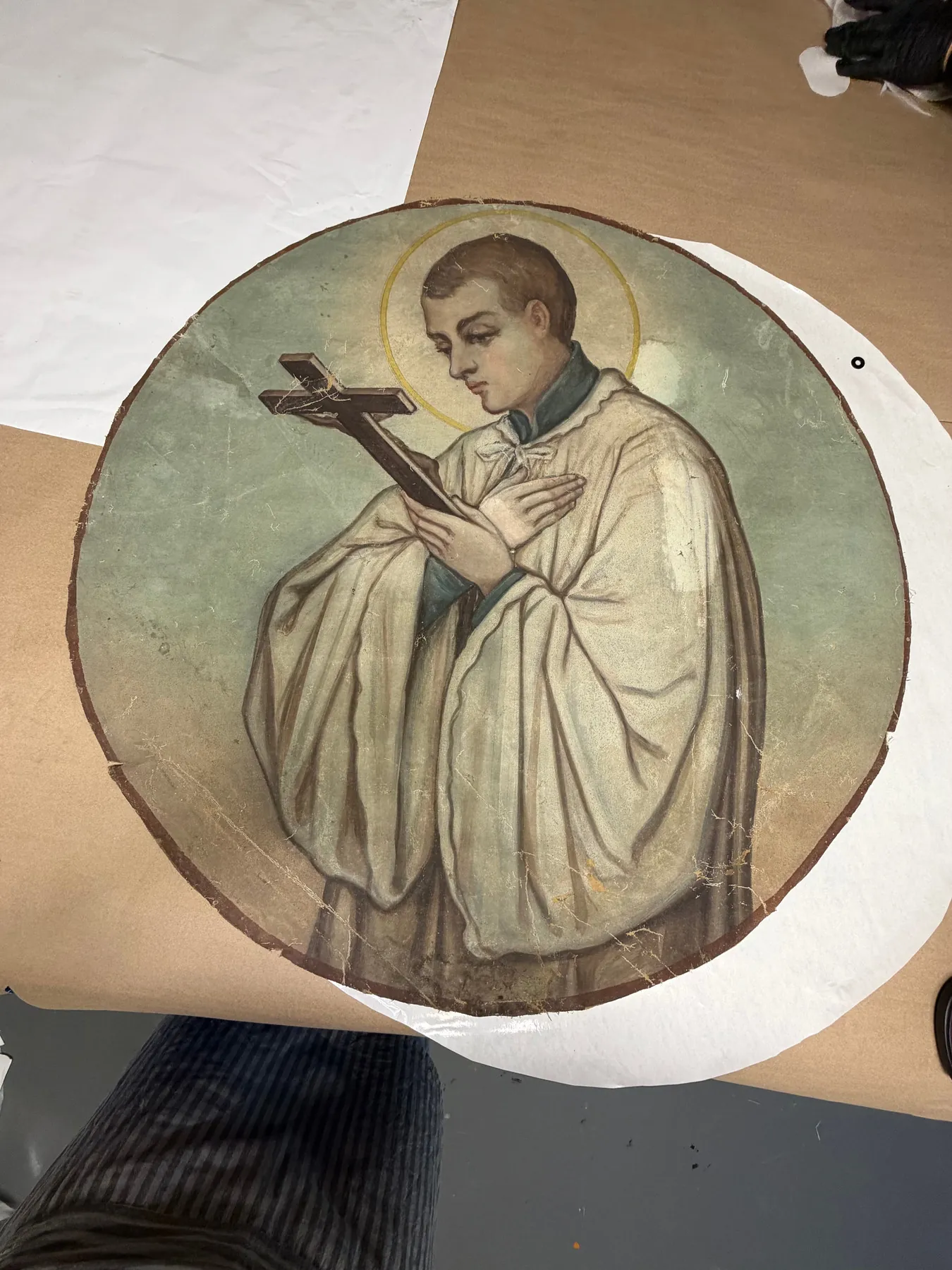
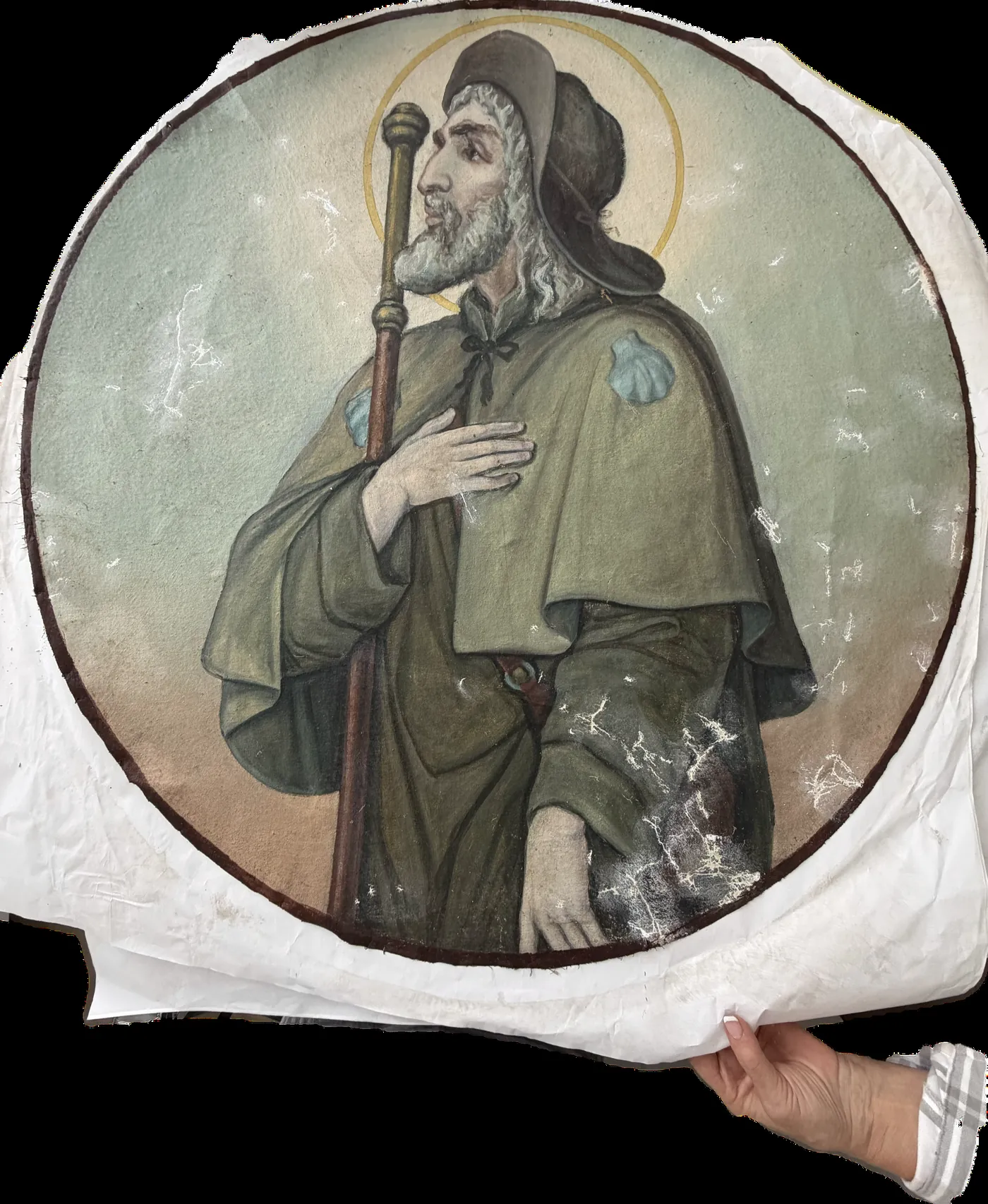
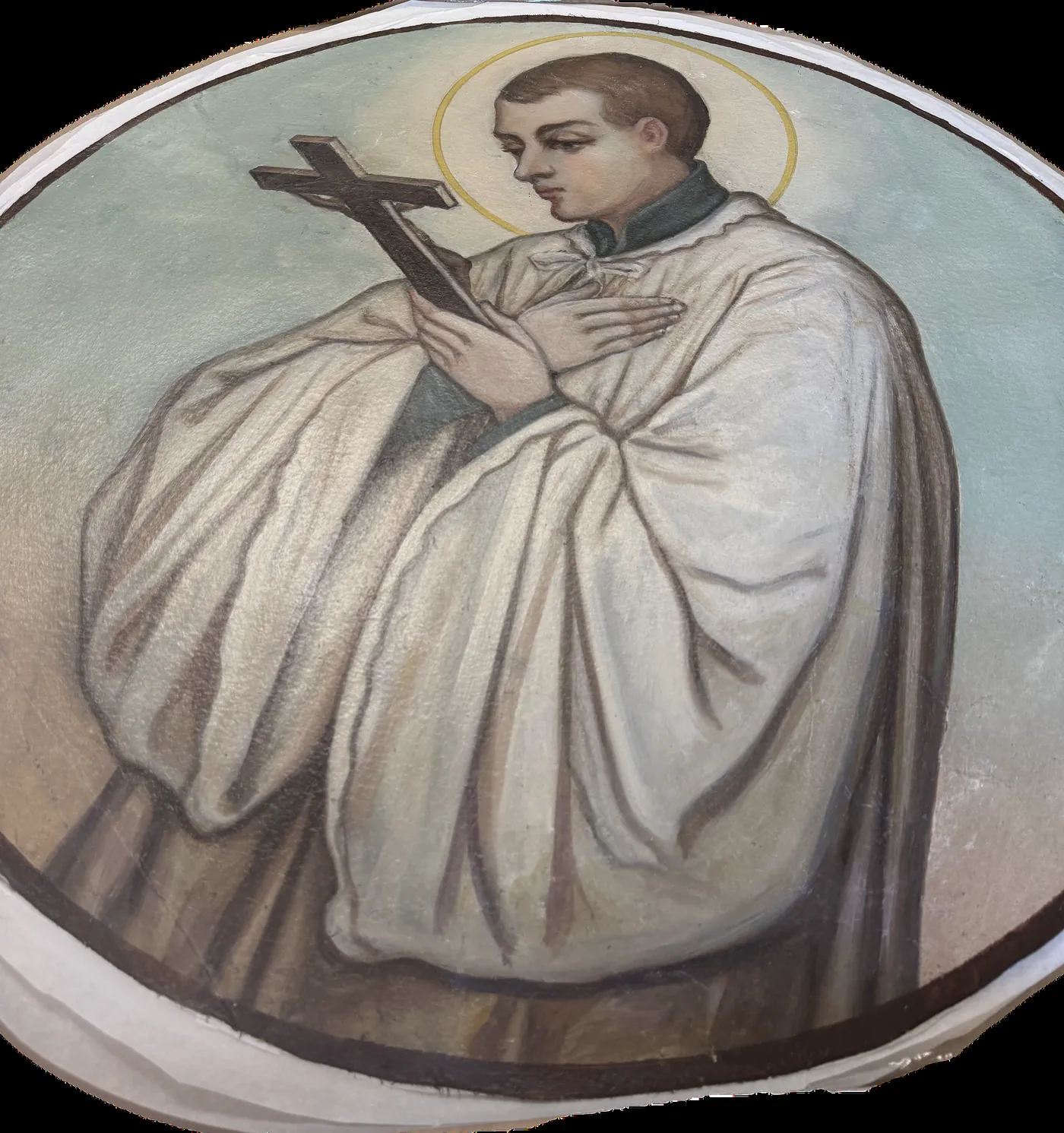
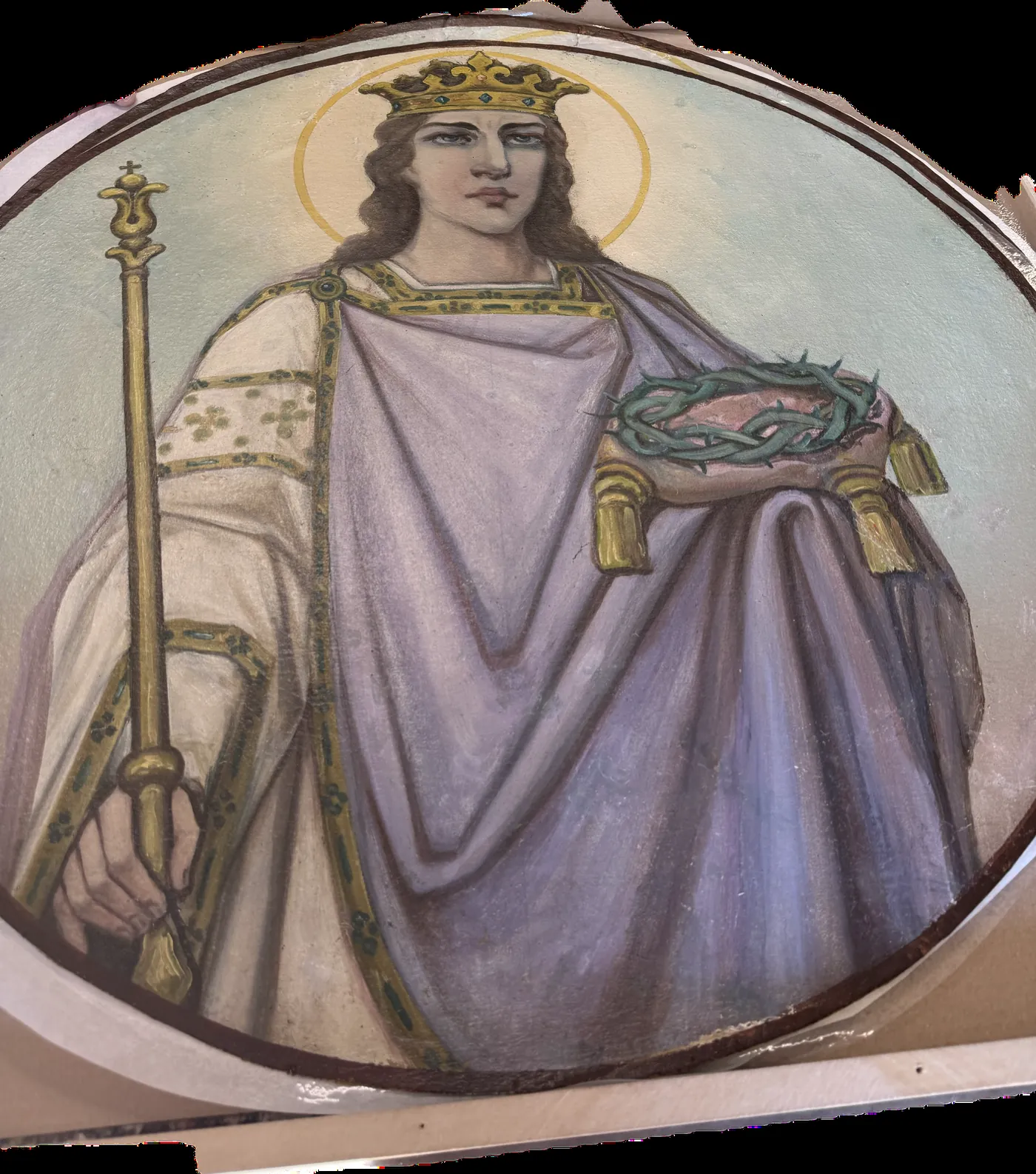




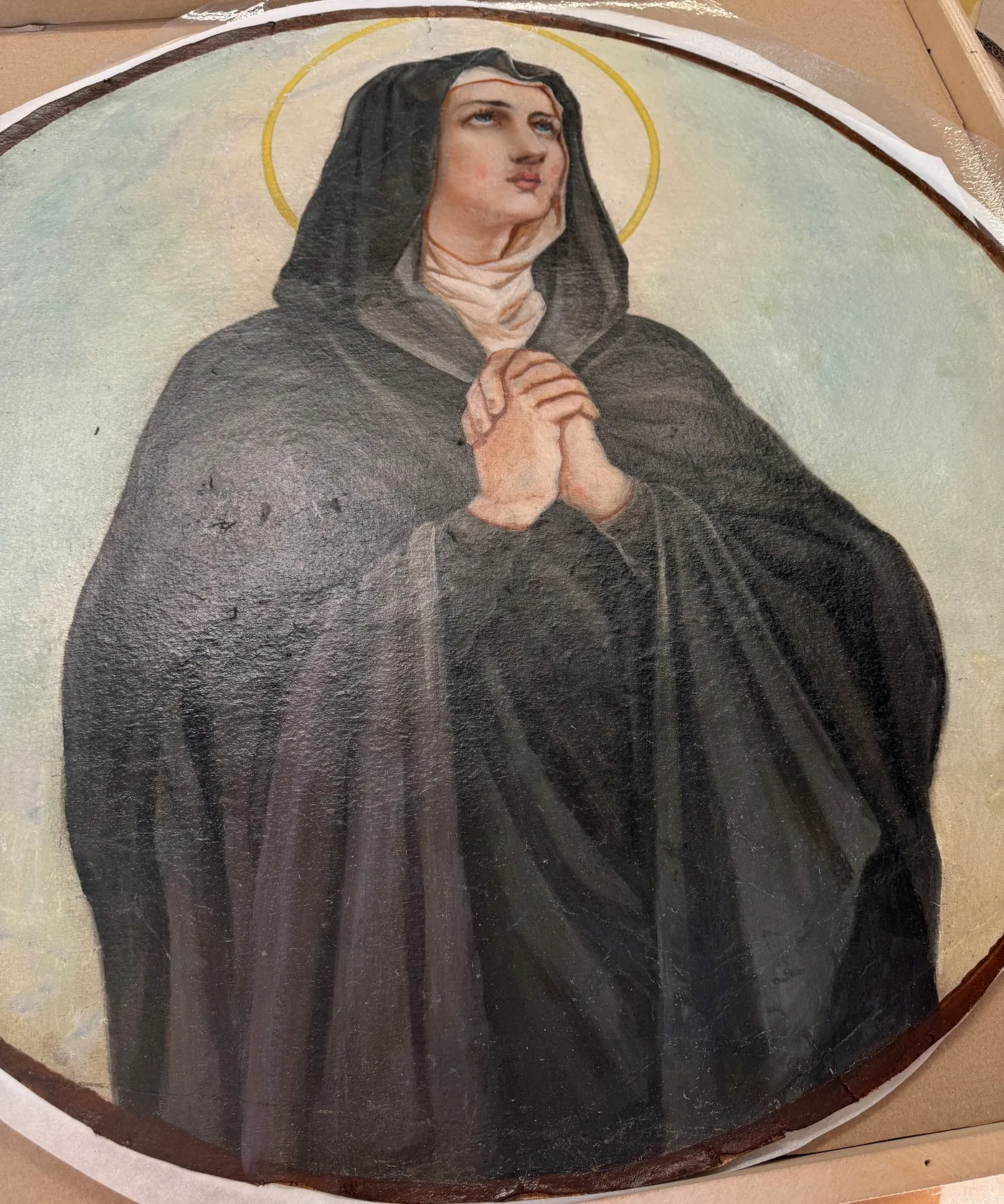
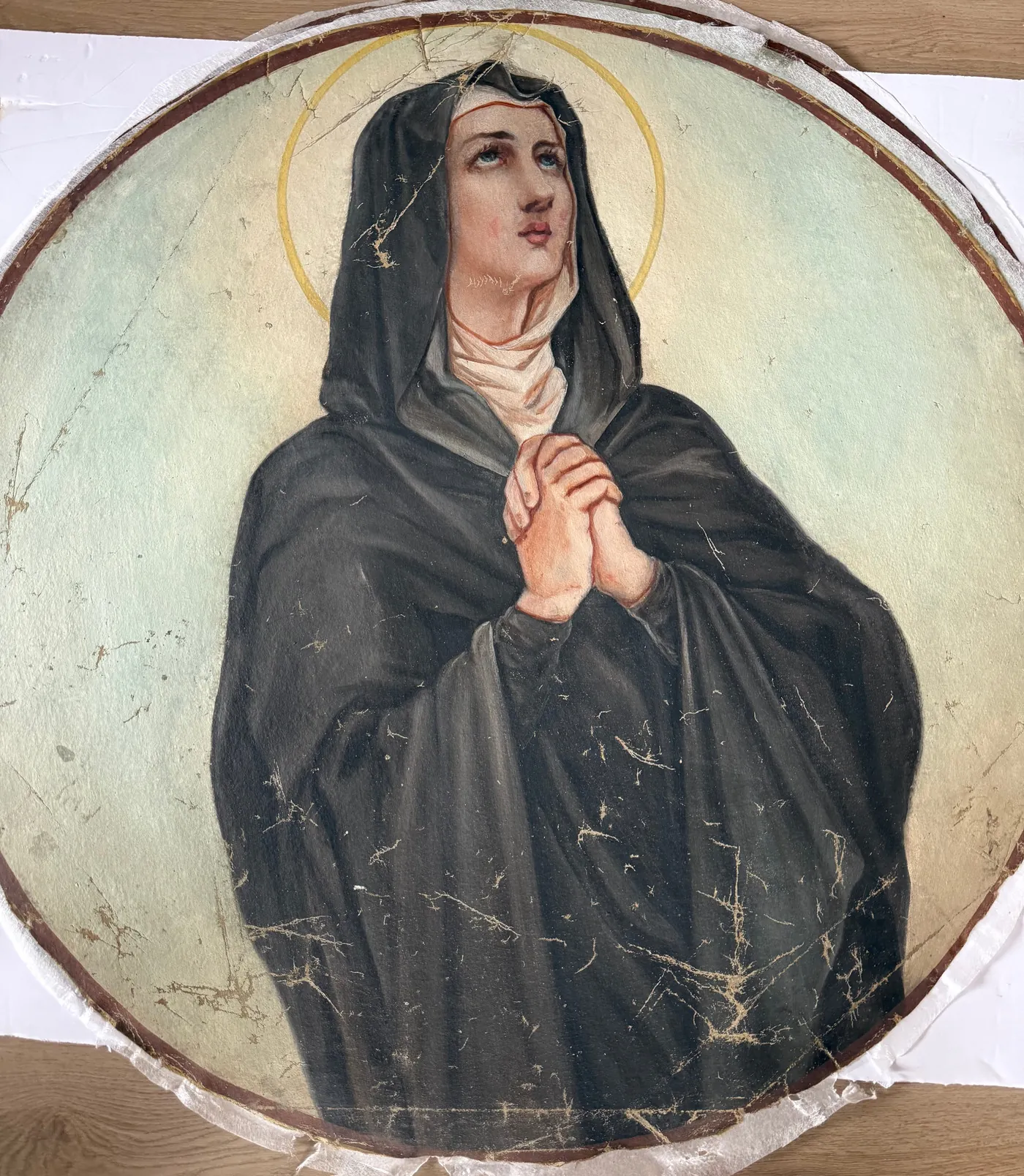
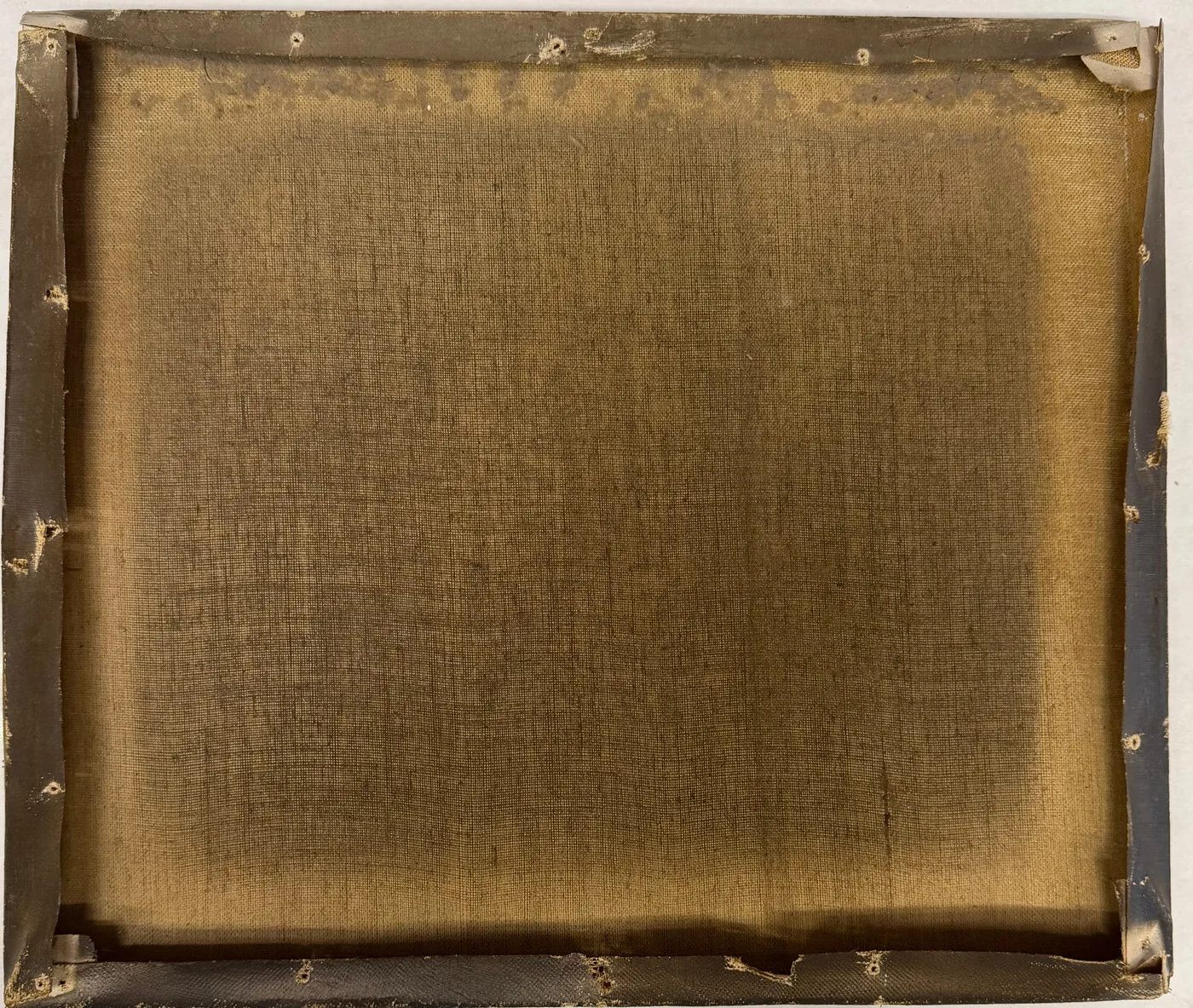
This fire-damaged painting needed both structural and paint-layer treatment. It was removed from its compromised support so the paint could be secured and the canvas returned to a stable presentation system.
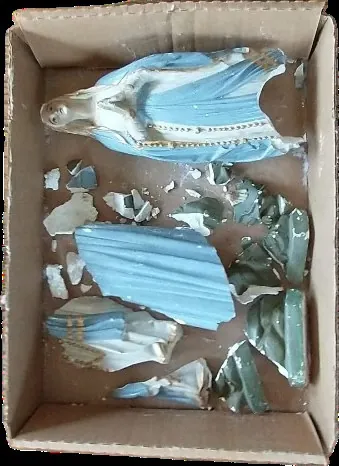
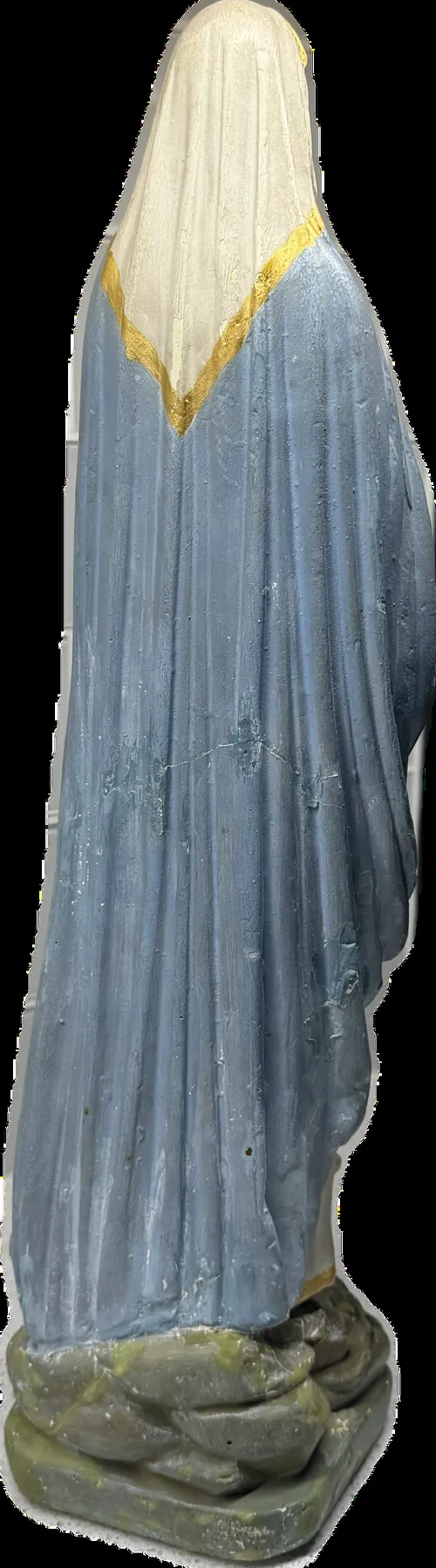
The sculpture arrived severely compromised. Treatment centered on preserving original material, rebuilding from surviving fragments, reconstructing missing elements and bringing the surface back into a coherent whole.
Conservation centers examination, documentation, material compatibility and reversibility. It’s not about making an object “new” — it’s about careful, informed decisions for its future.
Document the object and understand its condition before deciding on treatment.
Choose materials and methods through controlled testing, not assumptions.
Prioritize stability and legibility while preserving original material and intent.
Record what changed, what materials were introduced, and how to care for the work next.
Send front, back and detail images, approximate dimensions, material if known, location and your timeline. Sophie will advise on next steps.
Request a quote